The Temporary Counter: A Pre-Opening Compliance Walk for Festive Retail Units
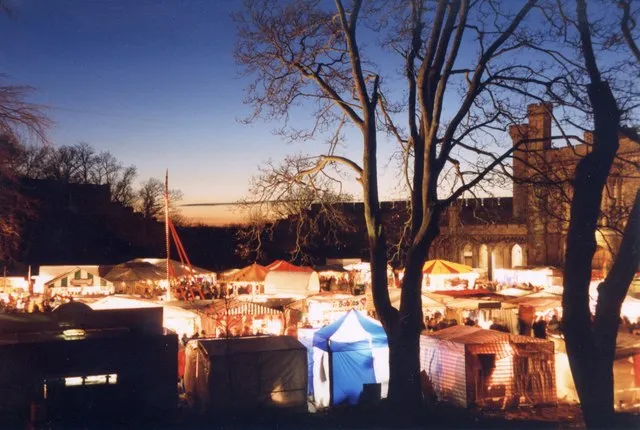
Photo: Jo Turner, CC BY-SA 2.0, via Wikimedia Commons
The festive retail circuit is assembling again. Across the UK in late November 2026, SMEs are taking short leases on former phone shops, booking market pitches and erecting cabins in town squares. The revenue can be valuable, particularly for businesses whose usual trade softens in December. The compliance risk is equally real, and it tends to surface in January as a penalty, a refused claim or an unanticipated tax bill.
A temporary unit is not a compliance-free unit. It is a second trading location with its own permissions, insurance disclosures and tax treatment. The businesses that manage it well tend to treat the pop-up as a small branch, not as an extended promotional stall. The checklist below is designed to be worked through before the first mince pie is sold, not after the first complaint.
First, establish what you are actually renting
Market pitches, railway arches, shopping centre kiosks and short-let shop units are let on different legal bases. A licence to occupy is not the same as a lease, and a market operator's permission is not the same as the local authority's consent. Before signing, confirm who has the right to grant the space, what the agreement permits you to sell, and what notice either side must give.
Street trading is a local authority function. Many councils require a street trading consent for pitches in designated streets and public spaces; some operate exemption schemes for certain markets. Do not assume that the organiser's overall market consent covers every trader. Ask the organiser, in writing, which consents are held and which remain the trader's responsibility.
Planning use also deserves a check. A short occupation may fall within permitted development or temporary use rules, but the position depends on the unit, the length of occupation and the local planning authority. For a shop unit, confirm that retail use is authorised and that the landlord permits temporary trading. If the unit is in a shopping centre, the centre's own rules on signage, storage, music and opening hours will sit alongside the lease.
Alcohol needs separate attention. A market or pop-up selling alcohol requires authorisation under the Licensing Act 2003. An operator's premises licence may not extend to individual traders. Confirm whether a premises licence, a variation or a temporary event notice is needed, and allow enough time for the application. The same discipline applies to age-restricted products and to any advertised late-night trading.
Food and drink: register before you trade
Food businesses must register with the local authority where the unit is located. In England, Wales and Northern Ireland, registration must be made at least 28 days before opening, although the authority may accept later applications in some circumstances. Registration is free; trading without it is not. If you are selling pre-packed food, confirm allergen labelling and ingredient information. If you are preparing or serving food, expect a food hygiene inspection and have a food safety management system based on HACCP principles.
Christmas markets often involve hot food, mulled drinks, loose sweets, cheese boards or hampers. Each brings its own controls: temperature records, allergen matrices, cleaning schedules, pest control and waste arrangements. Insurance may ask for evidence of these controls after an incident; environmental health may ask for them before opening. Keep the paperwork on site, not in a folder at head office.
Insurance: read the endorsements, not just the certificate
The market operator's public liability policy is not a substitute for your own cover. It may respond only to the operator's liability, exclude trader products, or impose conditions about stalls, heaters and cooking equipment. Your own public liability cover should expressly include temporary retail premises, market trading and the activities you actually plan, including sampling, demonstrations and children's activities.
Employer's liability insurance is legally required for most businesses with employees, and casual festive staff count. Check that the policy covers temporary staff, volunteers and anyone working under your direction. Product liability matters if you sell own-brand goods, hampers or food. Stock and contents cover should reflect the value of goods on site overnight, and business interruption cover should be tested against a closure caused by fire, flood or a food safety incident.
Disclose the risks honestly. Insurers ask about cooking with naked flames, patio heaters, temporary electrical installations and the use of contractors. A claim can be refused if a material fact was not disclosed, even if the omission was accidental. Keep risk assessments, electrical test certificates and contractor insurance documents with the policy schedule.
VAT and business rates: the lines that surprise temporary traders
VAT registration is based on taxable turnover across the whole business, not on the pop-up alone. If the SME is already VAT registered, sales from the temporary unit are part of its normal return. If it is approaching the £90,000 threshold, festive sales may push it over; registration is then required, and output tax may need to be accounted for from the correct date.
The VAT treatment follows the goods, not the tinsel. Standard-rated items include alcohol, hot food, Christmas cards, wrapping paper and most non-food retail. Cold takeaway food is generally zero-rated, but mixed baskets and meal deals need careful apportionment. Deposits and pre-orders can create tax points earlier than the sale itself. Keep daily takings records and till reports so that the return can be reconciled without guesswork.
Business rates are less predictable. Temporary occupation can still attract rates, depending on the unit, the lease and the billing authority's view. Do not assume the market operator or landlord pays. Ask the local billing authority how the pitch or unit will be assessed, and check whether small business rate relief or another relief applies. If the unit is within a larger property, the assessment may already include it.
Staff and records: the quiet liabilities
Festive staff are still staff. Check right to work, issue written particulars, pay at least the national minimum wage and operate PAYE where required. Holiday pay accrues even on short contracts. If you use volunteers, be clear about expenses and avoid substituting them for paid roles.
Keep records that would satisfy a tax inspector, an insurer and a licensing officer: daily sales summaries, stock counts, staff rotas, training records, incident logs and copies of consents. A simple folder, physical or digital, is enough if it is complete.
A pre-opening checklist
- Confirm the legal basis of occupancy and the permitted use.
- Obtain street trading consent or written confirmation that it is not required.
- Check alcohol authorisation, age-restricted sales and late-night conditions.
- Register the food business at least 28 days before opening.
- Verify public liability, employer's liability, product liability and stock cover.
- Disclose cooking, heating, temporary structures and contractors to insurers.
- Confirm VAT registration status and the treatment of deposits, food and mixed baskets.
- Ask the billing authority about business rates for the unit.
- Put right-to-work, payroll and holiday pay arrangements in place for casual staff.
- Keep consents, insurance schedules and daily records on site.
The pop-up can be a profitable addition to the December trading period. It becomes a problem only when the compliance file is thinner than the tinsel. For SMEs, the practical test is simple: if the unit had to be inspected, insured or audited tomorrow, could the paperwork be produced before the shutter went up?